What Is a VPN and Should You Use One in 2025?
In today’s digital age, online privacy and security are more important than ever. With cyber threats on the rise and data breaches becoming increasingly common, many Internet users are turning to Virtual Private Networks (VPNs) to protect their sensitive information online. But what exactly is a VPN, and should you consider using one in 2025?
What Is a VPN?
A VPN, or Virtual Private Network, is a tool that allows you to create a secure connection to another network over the Internet. By using encryption and IP masking, a VPN helps to protect your online activities from prying eyes, such as hackers, advertisers, and government surveillance.
How Does a VPN Work?
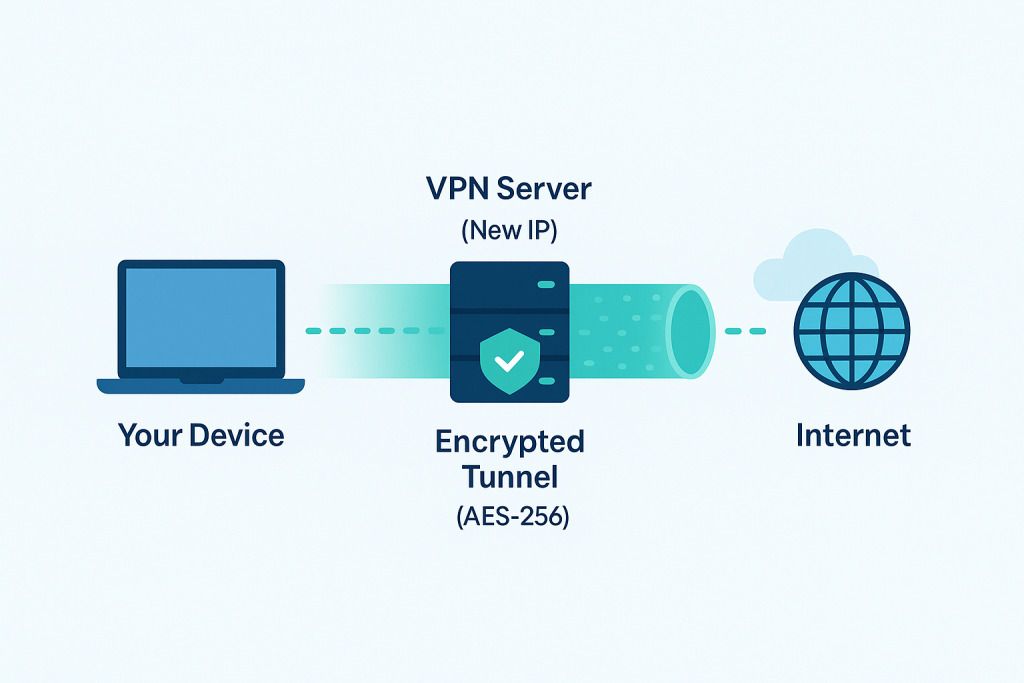
When you connect to a VPN server, your Internet traffic is encrypted and routed through the VPN server before reaching its destination. This means that your IP address is masked, making it difficult for anyone to track your online activities back to you. Additionally, the encryption used by VPNs helps to protect your data from being intercepted by third parties.
Benefits of Using a VPN
There are several benefits to using a VPN in 2025:
Enhanced Privacy: With a VPN, your online activities are encrypted, keeping your sensitive information safe from prying eyes.
Improved Security: VPNs add an extra layer of security to your Internet connection, protecting your data from hackers and other malicious actors.
Access to Restricted Content: By connecting to a VPN server in a different location, you can access geo-restricted content that may not be available in your region.
Bypass Censorship: In countries where Internet access is heavily restricted, a VPN can help you bypass censorship and access the open Internet.
Should You Use a VPN in 2025?
Whether or not you should use a VPN in 2025 ultimately depends on your online habits and privacy concerns. If you frequently use public Wi-Fi networks, access sensitive information online, or want to protect your online activities from third parties, using a VPN can provide an added layer of security and peace of mind.
However, it’s important to note that not all VPN providers are created equal. When choosing a VPN service, be sure to research the provider’s privacy policies, encryption protocols, and server locations to ensure that your data is truly protected. Additionally, consider the speed and reliability of the VPN service, as slow connections and frequent disconnections can hinder your online experience.
Conclusion
In conclusion, VPNs are a valuable tool for protecting your online privacy and security in 2025. By encrypting your Internet traffic and masking your IP address, a VPN can help to keep your sensitive information safe from prying eyes. Whether you’re browsing the web, streaming content, or working remotely, using a VPN can provide added peace of mind and security in an increasingly interconnected world.